Commercial Lease vs Shared Workspace for Growth
Scaling a business demands agility, yet locking your capital into an unyielding multi-year contract can abruptly stall momentum. Evaluating a commercial lease vs shared workspace flexibility for growing brands is no longer just a real estate choice; it is a critical growth strategy. While traditional leases offer dedicated territory, modern shared workspaces eliminate rigid commitments and heavy overheads, enabling your team to pivot as fast as your market dictates. Here is an objective breakdown of both models to help you protect capital and secure the right foundation for sustained expansion.
Evaluating a commercial lease vs shared workspace flexibility for growing brands comes down to operational control versus capital liquidity. A traditional commercial lease requires a 3 to 5-year lock-in period, substantial cash deposits, and significant capital expenditure for interior fit-outs. In contrast, a modern shared workspace provides immediate, fully serviced infrastructure on flexible monthly terms. For scaling businesses, flexible office space vs traditional lease for startups preserves operating cash flow and lets headcounts fluctuate without financial friction or real estate penalties.
When weighing your options in markets like Jaipur, real estate decisions must support your growth velocity. Traditional landlords demand that you forecast team size three years in advance, which usually results in paying for empty desks or choking operational expansion in cramped rooms. As detailed in our comprehensive guide on coworking space vs traditional office models, rigid tenancy contracts quickly drain executive focus away from customer acquisition and product development.
Why Shared Workspace Flexibility Beats a Traditional Lease
Scaling brands need operational agility. Binding your business to an inflexible floor plan restricts your ability to respond to changing market demands. Opting for flexible office terms provides distinct advantages that protect your runway:
- Term Agility: Avoid multi-year lock-in commitments. Shared workspaces operate on monthly, quarterly, or annual agreements. You can adjust your space requirements as your team expands or pivots.
- Capital Preservation: Traditional leases require heavy upfront capital outlays for interior architecture, wiring, and office furniture. Shared setups eliminate initial fit-out costs, preventing the massive drainage documented in our breakdown of the hidden costs of leasing a commercial office in Jaipur.
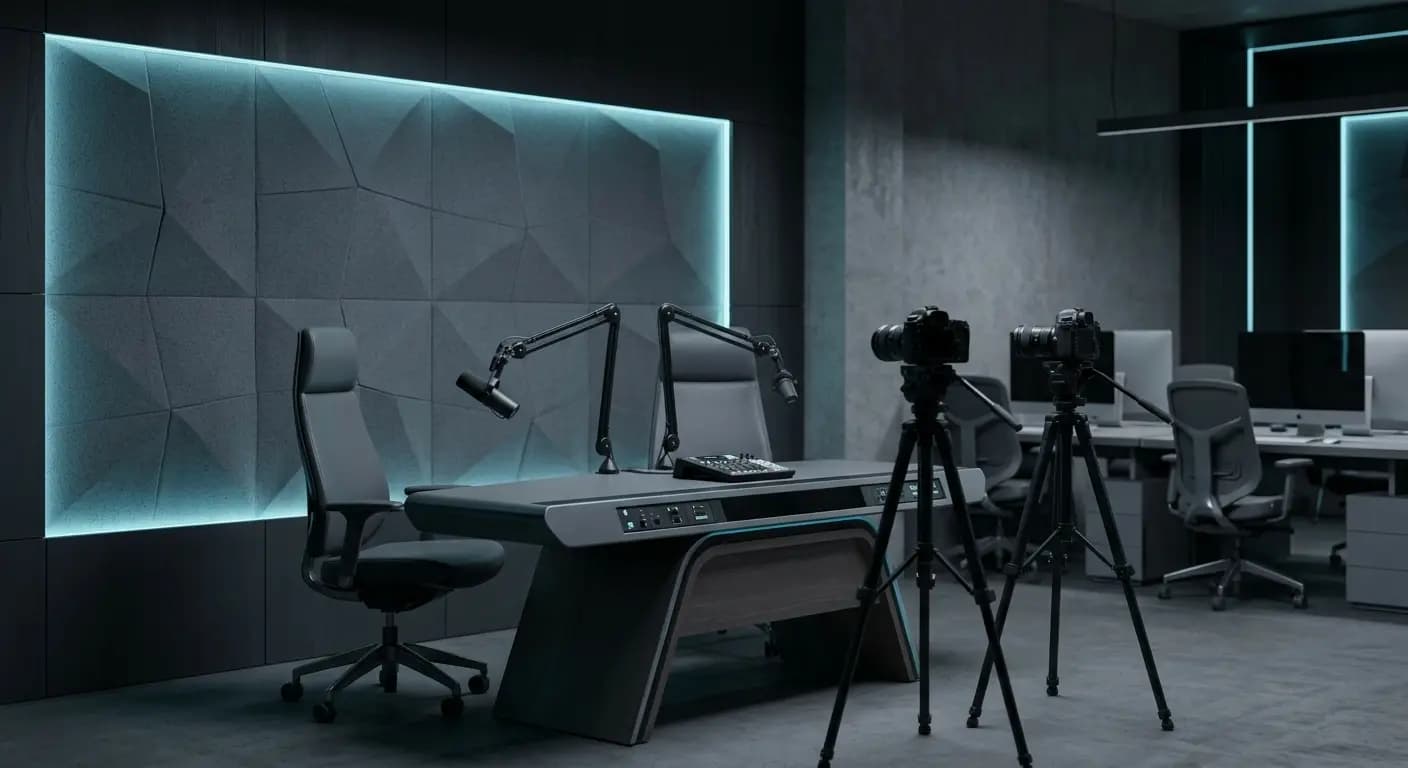
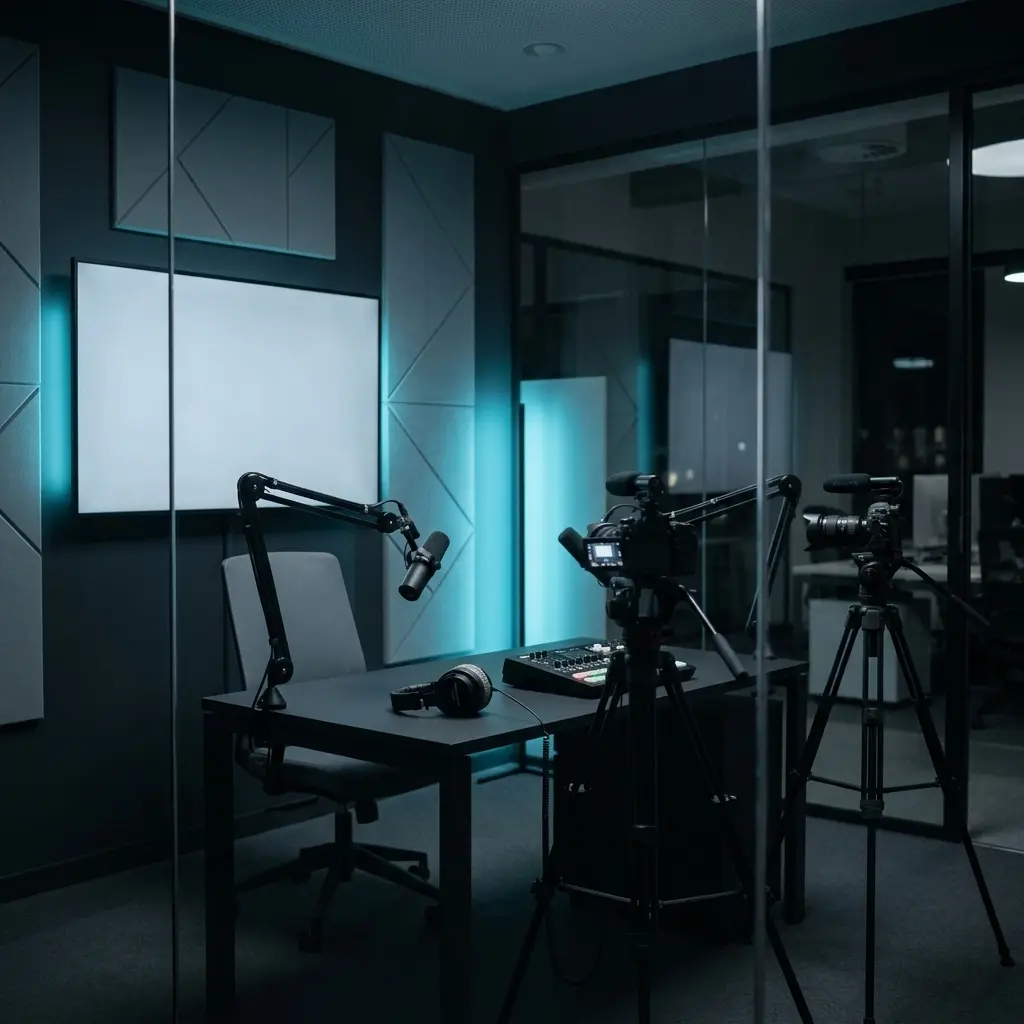
- Plug-and-Play Production Assets: Modern brand expansion relies heavily on digital distribution. Instead of dealing with acoustic challenges and retrofitting standard commercial suites, premium spaces grant immediate access to broadcast-quality media infrastructure and dedicated production environments.
- Scalable Seat Allocation: Headcount changes happen rapidly. You can add ten dedicated desks this quarter or transition specific departments to private suites next month without renegotiating property titles or managing physical build-outs.
- Eliminated Operational Friction: Property tax assessments, facility maintenance, fiber optic redundancy, and commercial utility bills are consolidated into a single operating invoice.
For modern business operators, commercial real estate lease flexibility directly correlates with operational speed. High-growth enterprises regularly leverage data from research authorities like CBRE Research to track how enterprise flex adoption mitigates real estate liability while keeping capital liquid.
Side-by-Side Comparison: Long-Term Lease vs Flexible Shared Office
Understanding the balance between traditional commercial lease pros and cons for brands requires examining the day-to-day operational realities of each model.
| Decision Factor | Traditional Commercial Lease | Shared Workspace (Ascendant) |
|---|---|---|
| Lease Commitment | 3–5 years standard with severe early-termination penalties and multi-month lock-in clauses. | Agile monthly or quarterly membership agreements with simple 30-day notice windows. |
| Upfront Capex | Substantial capital expenditure required for HVAC, drywall partitioning, network drops, and ergonomic furniture. | Zero capex outlay. Move into a dialed-in, fully furnished workspace on day one. |
| Media & Production Assets | Empty commercial shell requiring expensive acoustic retrofitting and DIY video gear setups. | Direct on-site access to purpose-built 4K video recording, multi-camera sets, and sound-engineered studios. |
| Utility & Facility Overhead | Separate management for electricity, backup generators, dual-ISP internet lines, housekeeping, and security. | Fully managed single monthly invoice with enterprise-grade connectivity, power backup, and facilities included. |
| Team Scalability | Fixed square footage that leaves you paying for empty space initially or suffering overcrowding later. | On-demand scalability. Adjust your desk counts, collaborative zones, and private cabins as hiring needs evolve. |
To calculate the financial difference across your projected operational timeline, use our coworking vs leased office cost comparison calculator to review explicit cash outflow models.
Stop Sinking Capital into Dead Leases
Scaling a brand in the Pink City demands speed, agility, and uncompromising standards. Locking critical working capital into a traditional property lease restricts your growth runway. Empty desks and unmanaged facilities drain momentum, while commercial real estate lease flexibility keeps your organization lean and responsive.
True corporate credibility is no longer defined by an exclusive nameplate on an outdated commercial building. Ambitious companies establish influence through world-class digital execution, strategic market presence, and high-impact content. Review our guide on how to build brand authority without a permanent corporate office to see how high-performing teams separate prestige from long-term real estate liabilities.
Focus your energy on business expansion, team development, and market dominance. ascendant.living provides the professional environment, advanced digital media infrastructure, and flexible terms your enterprise needs to scale efficiently. Check Availability today or schedule an on-site consultation to secure a workspace that supports your operational trajectory.
Coworking · Pratap Nagar, Jaipur
Work from Ascendant Living
Fast Wi-Fi, ergonomic desks, coffee and parking. Day passes, flexible desks and private team space.
- Day passes available
- Flexible & dedicated desks
- Free trial visit