Why Traditional Offices Struggle With Modern Content
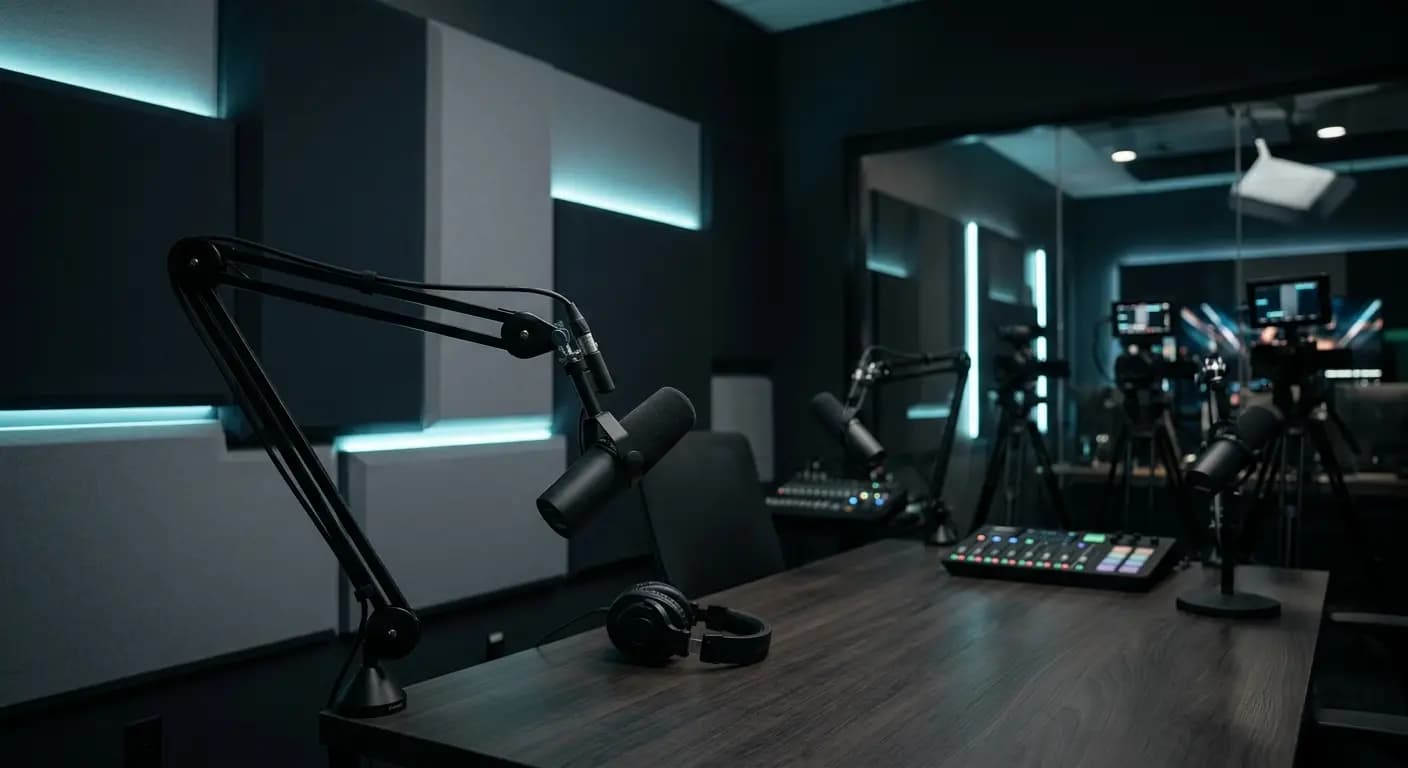
Fluorescent lights, thin drywall, and corporate boardrooms were never engineered to support the demands of high-output media creation. As brands scale their digital presence, leadership teams quickly realise why traditional offices struggle with modern content production—from catastrophic audio echo to rigid spatial constraints that stifle creative momentum. Repurposing standard corporate real estate for dynamic media work leads to wasted hours, substandard output, and exhausted teams. Here is an honest examination of these architectural bottlenecks, and how purpose-built environments can rescue your brand’s creative pipeline.
Standard commercial workspaces fail to support digital media because they are built for passive desk work, not live recording. Commercial office acoustic issues like glass conference partitions, hollow drywall, and loud ventilation systems create unmanageable echo that software filters cannot cleanly remove. At the same time, standard overhead ballasts generate harsh glare and electrical interference, leaving founders stuck with amateur visuals and wasted production hours.
Understanding why traditional offices struggle with modern content production comes down to basic architecture. Legacy floorplans are rigid, reflective, and electrically unequipped for continuous 4K capture. If you are comparing a coworking space vs traditional office comparison, the infrastructure gap is stark. Transforming a corporate boardroom into a functioning content creation workspace requires structural changes that standard commercial leases outright prohibit.
For growing businesses, amateur production carries real commercial risk. Distorted audio and dim video signal a lack of operational maturity to potential clients and investors. Modern teams need reliable, creator-focused shared workspace facilities that eliminate technical friction without locking up capital in permanent real estate retrofits.
Core Structural Roadblocks in Legacy Workspaces
Leased corporate buildings impose physical limitations that actively undermine media production. When you try to produce broadcast-quality media in an unmodified corporate suite, you inevitably hit four technical bottlenecks:
- Acoustic Failures: Standard office drywall lacks mass and decoupling. Sound bleeds freely between partitions, while parallel glass walls turn spoken vocals into thin, hollow audio. Low-frequency building vibrations from street traffic and central HVAC systems transmit directly through slab flooring, ruining clean microphone signals.
- Electrical and Power Limitations: Running multiple high-draw continuous LED panels, studio monitors, and fast chargers often overloads standard shared office circuits. Most commercial floors lack isolated, conditioned power lines, creating audible 50Hz electrical hums in audio feeds and risking unexpected breaker trips during live sessions.
- Lighting Deficits: Corporate ceiling fixtures rely on cheap fluorescent tubes or low-CRI LED panels that flicker on high-framerate video sensors. These overhead fixtures produce an unflattering greenish tint that clashes with exterior window light, forcing editors to spend hours fixing skin tones in post-production.
- Lease Rigidity and Sunk Capital: Standard commercial rental agreements contain strict alteration clauses preventing tenants from mounting acoustic clouds, running internal wall conduits, or replacing glazed windows. Investing capital into permanent structural modifications creates dead-weight fit-out costs that stay behind when your lease expires, adding to the documented hidden commercial leasing costs in Jaipur.
According to acoustic engineering research published by the Audio Engineering Society, speech intelligibility drops sharply in rooms with reverberation times exceeding 0.6 seconds. Standard corporate boardrooms frequently measure above 1.2 seconds, making crisp voice capture virtually impossible without extensive structural dampening.
Technical Breakdown: Traditional Office Space vs. Purpose-Built Content Hub
Evaluating your production options requires looking past cosmetic desk setups to assess baseline technical infrastructure. The table below outlines how standard leased commercial suites compare against converted rooms and modern creative workspaces across critical production criteria.
| Production Requirement | Traditional Leased Office | DIY Converted Conference Room | Creator-Focused Coworking Space |
|---|---|---|---|
| Sound Isolation & Acoustics | Severe sound bleed; parallel glass surfaces cause excessive flutter echo and HVAC drone. | Partial sound dampening using temporary foam; exterior noise and foot traffic remain audible. | Acoustically decoupled wall assemblies, bass traps, and balanced reverberation profiles under 0.4s. |
| Visual Lighting Control | Uncontrollable overhead fixtures with poor colour rendering; extreme glare from exterior windows. | Basic portable softboxes competing with ambient fluorescent light and inconsistent daylight shifts. | Pre-rigged, high-CRI diffused LED grids with black-out shading for repeatable multi-camera capture. |
| Capital Expense & Flexibility | Rigid 3 to 9-year commercial lease commitments with heavy tenant-improvement fit-out costs. | High upfront equipment spend on portable rigs that clutter functional meeting spaces. | Zero capital expenditure; flexible shared office membership or pay-as-you-go studio access. |
| Technical Reliability | Shared electrical circuits susceptible to power spikes, ballast hums, and inconsistent upload speeds. | Extension cords across walkways; reliant on standard office Wi-Fi with choked outbound bandwidth. | Conditioned, backup-supported power circuits paired with dedicated symmetrical high-speed internet. |
| Operational Velocity | Hours spent clearing whiteboards, shifting desks, and fighting ambient room audio before recording. | Repetitive setup, calibration, and teardown cycles that burn internal team energy and focus. | Ready-to-record environments; step straight in, capture your material, and leave without tearing down. |
Attempting to convert traditional corporate real estate into an ongoing media studio forces your team to become part-time technicians. It drains creative momentum, inflates administrative overhead, and rarely yields the visual polish required to build serious brand authority in competitive digital channels.
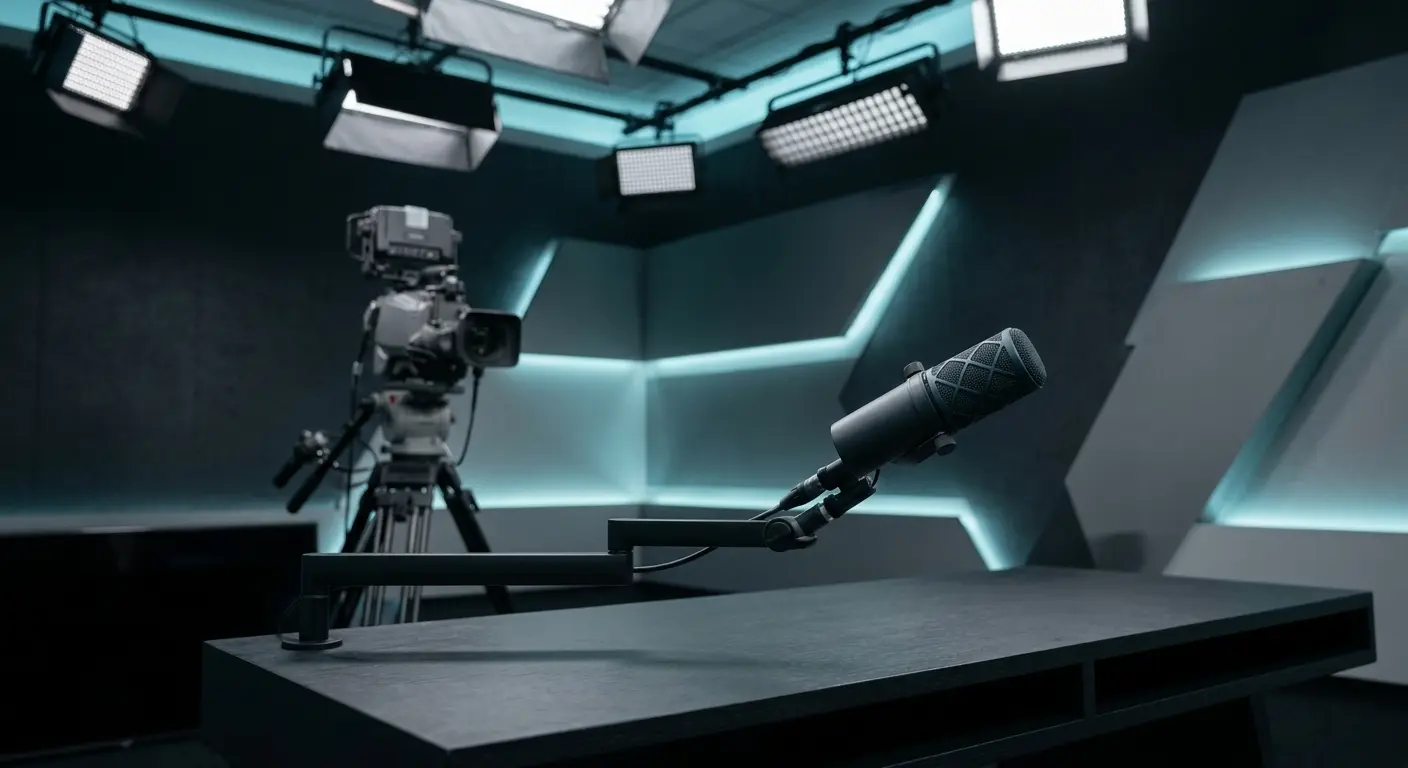
Rethinking Your Content Workspace Strategy
Legacy corporate floorplans were designed for an era when business communication relied exclusively on emails, memos, and closed-door board meetings. As digital channels have shifted toward high-fidelity video interviews, podcasts, and executive thought leadership, relying on standard corporate suites introduces constant operational drag. You do not need to sign multi-year commercial leases or blow your capital expenditure budget modifying concrete office blocks simply to produce clean media.
Ambitious founders and brand leaders in Jaipur are actively moving away from the operational hassle of retrofitting generic office space. Choosing a modern, creator-ready shared facility gives your business immediate access to controlled acoustics, stable lighting, and broadcast-ready multi-camera sets without real estate lock-in. Step into purpose-built infrastructure designed for how modern business actually communicates—check availability and streamline your brand's content pipeline today.
Podcast studio · Pratap Nagar, Jaipur
Book the studio for your next episode
Multi-cam setup, pro mics and acoustic treatment. Walk in, hit record, walk out with your episode.
- From ₹1,200/hour
- 2-hour minimum
- Editing & reels add-ons