How to Soundproof a Shared Office Desk for Focus
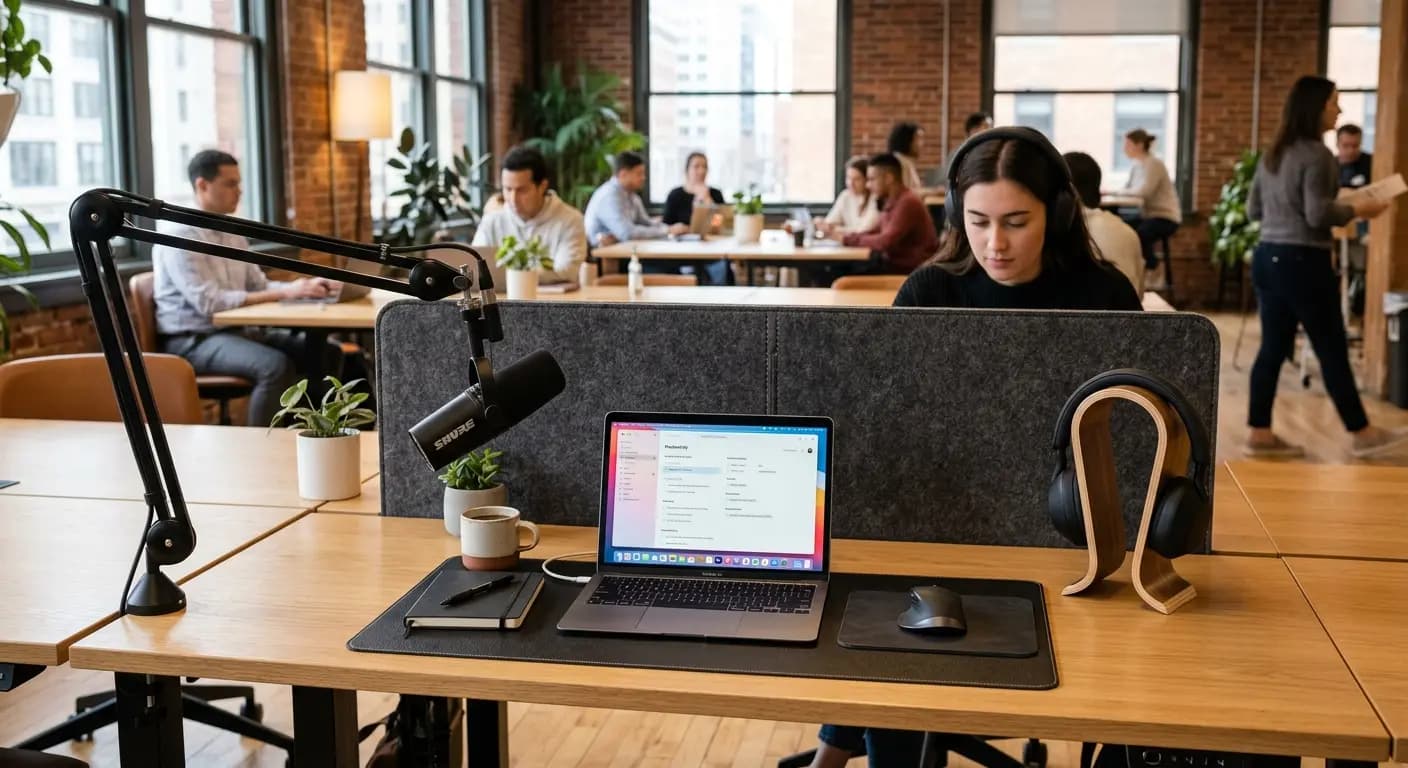
Between clattering mechanical keyboards, overlapping sales calls, and the relentless hum of collaborative energy, modern open workspaces can quickly derail your daily focus. Learning how to soundproof a shared office desk is no longer just a luxury—it is an essential strategy for reclaiming your productivity and peace of mind. While you cannot rebuild the office architecture, strategic acoustic treatments and clever workstation adjustments can dramatically reduce ambient noise. In this guide, we explore practical, design-forward solutions that transform any chaotic shared desk into a serene personal sanctuary.
To soundproof a shared office desk, you combine physical absorption dividers, desk-surface dampening mats, directional audio gear, and active noise control. True soundproofing stops sound from entering a space entirely. While you cannot fully isolate an open desk without walls, you can dampen speech reverberation, block direct sightline noise, and reduce ambient chatter by 5 to 12 decibels.
Open-plan setups and bustling coworking hubs foster high energy. Yet, chatter and keyboard clicking disrupt deep focus. Because sound travels freely through air, open workspaces present acoustic challenges. Low-frequency rumbles carry across rooms, while high-frequency speech bounces off hard laminate surfaces. Learning how to soundproof a shared office desk requires realistic adjustments. You do not need architectural overhauls. Instead, you deploy high-performance desk acoustic divider panels and soft materials to absorb reflections right at your workstation.
5 Practical Ways to Reduce Noise at an Open Office Desk
Controlling desk acoustics involves stopping sound at the source and blocking its direct path. Follow these five practical steps to build a focused acoustic bubble in any shared environment.
- Install portable acoustic desk dividers: Clamp dense PET felt or fabric privacy screens directly to your desk frame. High-density polyester fiber panels absorb high-frequency speech reflections and break the direct sound path between you and nearby coworkers.
- Use an ultra-thick desk mat: Hard desk laminates act as acoustic amplifiers for mechanical keyboards and resting wrists. A thick micro-weave felt or rubber blotter dampens tactile vibrations before they turn into airborne desk clatter.
- Switch to a dynamic cardioid microphone: Omnidirectional laptop microphones record every ambient conversation in the room. A directional dynamic broadcast microphone rejects off-axis room noise, capturing only your voice during virtual meetings.
- Deploy soft boundary absorbers: Hard walls and monitor backs cause audio flutter. Line your immediate desk perimeter with fabric cable organizers, desktop corkboards, or potted foliage to scatter incoming sound waves naturally.
- Incorporate active noise control: Pair quality active noise-canceling (ANC) headphones with calibrated pink noise or binaural soundscapes. This technique masks fluctuating office speech and lowers mental fatigue throughout long workdays.
These micro-adjustments provide measurable relief. However, physical desktop treatments reach natural limits in high-density facilities. If you regularly handle sensitive client calls or multimedia production, review our breakdown of what amenities to look for in a creative coworking space to find environments built with isolated quiet zones.
Acoustic Treatments vs. Noise Isolation: Comparing Desk Solutions
Selecting the right noise control tool depends on your work requirements. While dampeners soften ambient chatter, true isolation requires sealed structural mass. The comparison table below highlights the performance, rating, and ideal application for common desk solutions.
| Acoustic Solution | Primary Function | Noise Reduction Rating (NRR / NRC) | Ideal Use Case |
|---|---|---|---|
| Acoustic Felt Desk Dividers | Absorbs direct speech and blocks line-of-sight voice travel | 0.60 to 0.85 NRC | Daily shared desk work in open coworking spaces |
| High-Density Desk Blotters | Dampens mechanical keyboard strikes and mouse friction | 0.30 to 0.45 NRC | Reducing physical desk tap and typing vibration |
| Directional Voice Microphones | Rejects off-axis background noise electronically | 15 dB to 25 dB rear rejection | Clear video conferencing amidst ambient office speech |
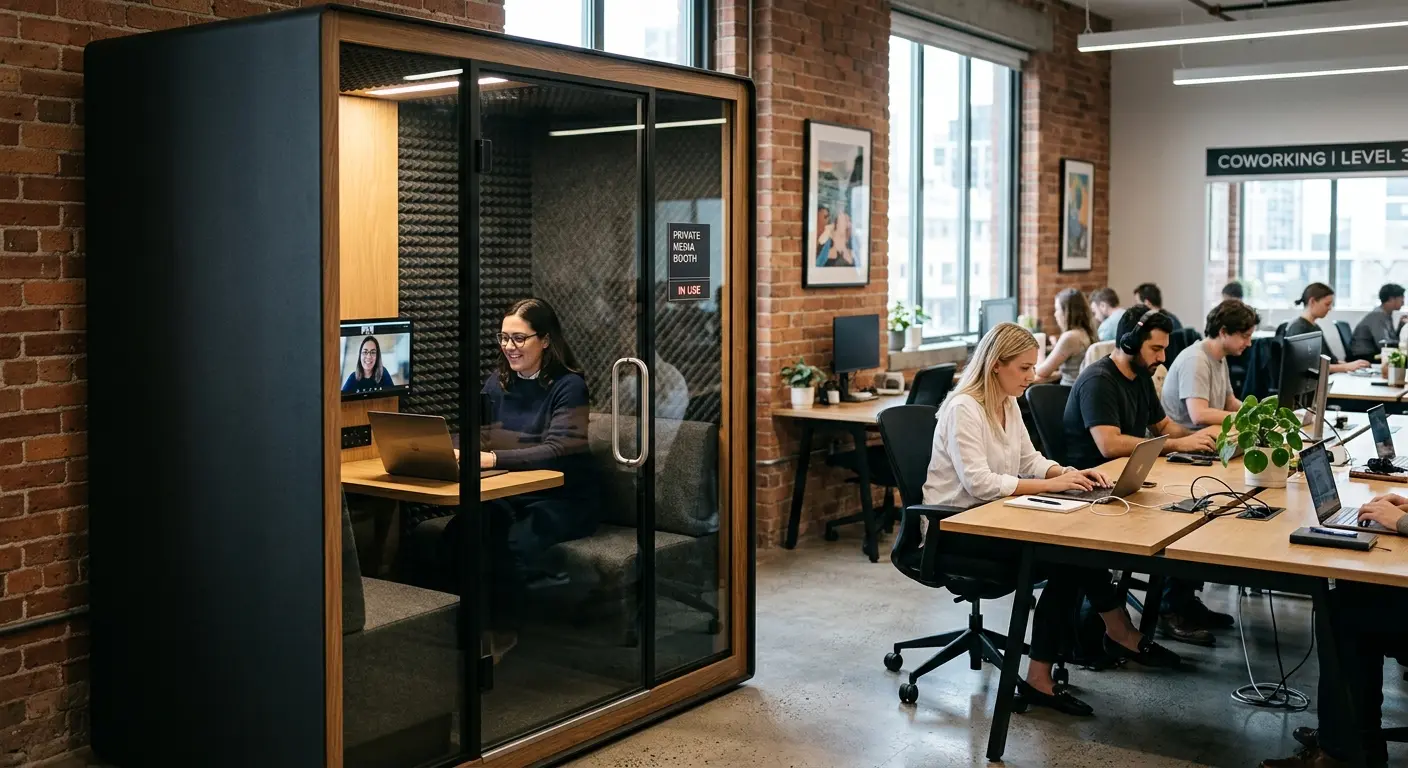
| Dedicated Private Media Booths | Full physical isolation using sealed composite walls | 28 dB to 35 dB NRR | Confidential calls, voiceover tracking, and podcasting |
Physical desk dividers manage high-frequency speech flutter, according to architectural standards set by bodies like the Institute of Acoustics. However, open-air setups cannot match the performance of decoupled, sound-sealed environments. When you produce commercial audio or host broadcast interviews, explore a dedicated coworking space in jaipur with recording studio for pristine acoustics.
Balancing Collaboration and Acoustic Focus at Work
Working efficiently in modern workspaces requires balancing communal interaction with deep concentration. While learning how to soundproof a shared office desk helps minimize daily speech interruptions, sound waves naturally bend around freestanding dividers. Acoustic desk treatments soften flutter echo and cut distractions, but they cannot create a recording booth on an open floor.
For entrepreneurs, content creators, and remote teams, managing sound is essential for productive operations. If your work involves client pitches, confidential meetings, or audio tracking, seek out a shared workspace for startup founders jaipur equipped with dedicated quiet alcoves and acoustically treated production rooms alongside collaborative hot desks.
Coworking · Pratap Nagar, Jaipur
Work from Ascendant Living
Fast Wi-Fi, ergonomic desks, coffee and parking. Day passes, flexible desks and private team space.
- Day passes available
- Flexible & dedicated desks
- Free trial visit